

Dopamine and Alcohol Dependence: From Bench to Clinic
2022.10.03
We offer free aftercare for the men who complete our program and have a strong alumni network that remains active in the community. We also offer other amenities such as dietician-prepared meals, mindfulness-based meditation training, outings, and fitness training. When discussing the consequences of alcohol’s actions on the brain, researchers alcoholism treatment frequently use terms such as motivation, reinforcement, incentives, and reward.
Dopamine Receptors and Signaling Pathways
Initially, alcohol may induce drowsiness, but it fragments sleep cycles during the night. It suppresses rapid eye movement (REM) sleep and deep slow-wave sleep—phases critical for restorative rest. It has neurotoxic effects that may damage nerves or impair their ability to transmit signals properly.
- Indeed, in the multiple abstinence cohort, in which alcohol treated subjects had significantly less dopamine release, a separate study found that alcohol-consuming subjects had poorer cognitive flexibility relative to controls 43, 44.
- In fact, the interaction between GABA and dopamine is an area of ongoing research in addiction science.
- The dopamine depletion hypothesis suggests that chronic alcohol consumption can lead to a reduction in the brain’s natural dopamine production and function.
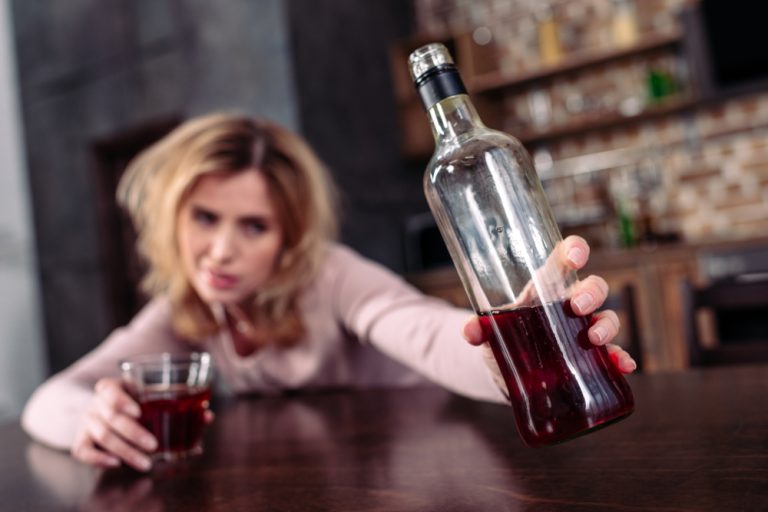
- Alcohol is more than just a social lubricant—it is a substance that profoundly alters the way our brain functions, particularly by interacting with the chemical messenger dopamine.
- These physical health issues can further compound the negative impacts on mental health and overall quality of life.
- Mood and anxiety disorders are common alcohol abuse disorders with one large epidemiological study showing that over 30% of individuals with alcohol dependency had a co-morbid mood disorder 19.
Why are drugs more addictive than natural rewards?
Dopamine alters the sensitivity of its target neurons to other neurotransmitters, particularly glutamate. In addition, dopamine can affect the neurotransmitter release by the target neurons. Dopamine-containing neurons in the NAc are activated by motivational stimuli, which encourage a person to perform or repeat a behavior. This dopamine release may contribute to the rewarding effects of alcohol and may thereby play a role in promoting alcohol consumption. does alcohol create dopamine In contrast to other stimuli, alcohol-related stimuli maintain their motivational significance even after repeated alcohol administration, which may contribute to the craving for alcohol observed in alcoholics. It’s important to note that illicit drugs and alcohol release a much more intense flood of dopamine than natural rewards do.
Book a Private ADHD Assessment
For example, different subpopulations of neurons in the striatum carry different dopamine receptors on their surfaces (Le Moine et al. 1990, 1991; Gerfen 1992). Dopamine binding to D1 receptors enhances the excitatory effects that result from glutamate’s interaction with a specific glutamate receptor subtype (i.e., the NMDA receptor4). Conversely, activation of D2 receptors inhibits the effects induced by glutamate’s binding to another glutamate-receptor subtype (i.e., the AMPA receptor5) (Cepeda et al. 1993). (For more information on glutamate receptor subtypes, see the article by Gonzales and Jaworski, pp. 120–127.) Consequently, dopamine can facilitate or inhibit excitatory neurotransmission, depending on the dopamine-receptor subtype activated. Moreover, even with the same receptor affected, dopamine’s effects can vary, depending on the potential of the membrane where dopamine receptors are activated (Kitai and Surmeier 1993).
It has neurotoxic effects that may impair nerve signaling, increasing the unpleasant sensations and urge to move the legs commonly experienced in RLS. While light social drinking might not drastically worsen symptoms for everyone with RLS, heavier or binge drinking almost always correlates with more intense episodes and poorer overall rest. One of the most significant ways alcohol worsens RLS symptoms is through its impact on sleep quality.
Bone & Joint Health

In my experience, Tyrosine and Mucuna Pruriens can sometimes be too stimulating and increase anxiety in some people. American Ginseng has been shown to improve attention and cognitive processing by increasing levels of dopamine in the brain (93-94). During the winter, I’ll also go outside for short periods of time with hardly any clothes. Coffee and caffeine can disrupt sleep though, so make sure you don’t drink it in the evening close to bed. Some people like me are really sensitive and have to stop drinking it very early in the day so that it doesn’t disrupt their sleep.
Whether you want to become a more mindful drinker, drink less, or eventually quit drinking, Sunnyside can help you reach your goals. We take a positive, friendly approach to habit change, so you never feel judged or pressured to quit. When you practice mindfulness, though, you create space between the craving and the response. When you delay gratification, you teach your brain to work for rewards again, strengthening motivation pathways. This explains why people often say, “I don’t even enjoy it anymore, but I keep drinking.” The reward becomes the relief of avoiding discomfort, not the drink itself. The Reframe app equips you with the knowledge and skills you need to not only survive drinking less, but to thrive while you navigate the journey.
Alcohol consumption, blood ethanol concentrations, and drinking patterns
Just as drugs produce intense euphoria, they also produce much larger surges of dopamine, powerfully reinforcing the connection between consumption of the drug, the resulting pleasure, and all the external cues linked to the experience. Large surges of dopamine “teach” the brain to seek drugs at the expense of other, healthier goals and activities. Other drugs, such as amphetamine or cocaine, can cause the neurons to release abnormally large amounts of natural neurotransmitters or prevent the normal recycling of these brain chemicals by interfering with transporters. Sunlight exposure can boost dopamine levels, but it’s important to be mindful of sun exposure guidelines to avoid skin damage. Lack of sleep can reduce dopamine sensitivity in the brain, resulting in excessive feelings of sleepiness.
- Social engagement and meaningful activities, such as creative pursuits or goal-setting, further stimulate the brain’s natural dopamine pathways, promoting long-term recovery and overall well-being.
- Instead of drinking, you can try exercising, talking to friends, practicing mindfulness, or finding hobbies that make you happy.
- Our doctor-developed products are designed to fit your goals, whether you’re cutting back, quitting, or finding balance.
What are some healthy ways to cope instead of using alcohol?
For example, long-term alcohol self-administration resulted in decreased dopamine uptake rates in the dorsolateral caudate of male cynomolgus macaques 22, 24. This group also found no difference in the quinpirole-mediated inhibition of dopamine release between alcohol and control male cynomolgus macaques 24. It is likely that species, striatal subregion, and intake duration (6 months in the previous study versus 1 year in the present study) differences may account for many of the dissimilarities between studies. It should also be noted that our study is the first to examine long-term alcohol effects on dopamine release in the putamen of NHPs and to demonstrate that acetylcholine driven dopamine release is conserved across rodent and NHP species. Several studies have shown that changes in the DA system in the CNS can influence drinking behaviors both in animals and in humans. Early animal models have shown that injection of the neurotoxin 6-hydroxydopamine (6-OHDA) in the ventricle or in other brain regions destroys dopaminergic neurons.
Briefly, acute alcohol increases dopamine release across the striatum 14 primarily due to increased firing of midbrain dopaminergic neurons, an effect that may underlie the initial reinforcing properties of alcohol. In individuals that drink alcohol frequently, however, tolerance develops, and more alcohol is consumed. Concomitantly, adaptations in glutamatergic, GABAergic, and dopamine transmission occur 15 and greater or continued amounts of alcohol can result in allostatic changes to preserve normal brain function. This allostasis is characterized by aberrant glutamate, GABA, and opioid signaling, as well as, a dysfunction in nigrostriatal and mesolimbic dopamine transmission 16, 17. The mechanisms underlying this dysregulation of dopamine transmission are not well understood, particularly in a primate brain.

stage-oyster
住所
東京都江東区三好3-3-17
アクセス
■東京メトロ半蔵門線「清澄白河駅」B2出口より、徒歩9分
都営地下鉄大江戸線「清澄白河駅」A3出口より、徒歩13分
■東京メトロ東西線「木場駅」3番出口より、三ツ目通り一直線徒歩15分
「木場駅前」から都営バス(業10)「業平橋駅前」行き「東京都現代美術館前」より、徒歩10秒
「木場駅前」から都営バス(東20)「錦糸町駅前」行き「東京都現代美術館前」より、徒歩10秒
■都営地下鉄新宿線「菊川駅」A4出口より、三ツ目通り一直線徒歩15分
「菊川駅前」より都営バス(業10)「新橋」行き「東京都現代美術館前」より、徒歩10秒
「菊川駅前」より都営バス(東20)「東京駅丸の内北口」行き「東京都現代美術館前」より、徒歩10秒
■東京駅丸の内北口2番乗り場から都営バス(東20)「錦糸町駅前」行き「東京都現代美術館前」より、徒歩10秒
★目印は東京都現代美術館。目の前です。
電話番号
営業時間
[月~土]
11:00~22:00(L.O 21:30)
[日・祝]
11:00~21:00(L.O 20:30)
連休の場合は最終日(連休なか日は平日と同じ営業時間です)
[ランチタイム]
11:00〜17:00
[ディナータイム]
17:00~
※当面の間20:00閉店とさせて頂きます。
(19:00ドリンクL.O、19:30フードL.O)
テイクアウトは21:00まで
ウーバーイーツは21:30までご利用可能です。
■定休日■
無休
(営業時間・定休日は変更となる場合がございますので、ご来店前に店舗にご確認ください)
土日祝日のランチタイムのご予約は11:00~11:30までの受付となります。
■■■スタッフ大募集■■■
一緒にお店を盛り上げてくれるスタッフを大募集しております!!
お気軽にお問合せください!
<デリバリー/ウーバーイーツ>

<テイクアウト/ピックス>

決済方法
クレジットカード : VISA マスター UC アメックス DC JCB
QRコード決済 : PayPay


